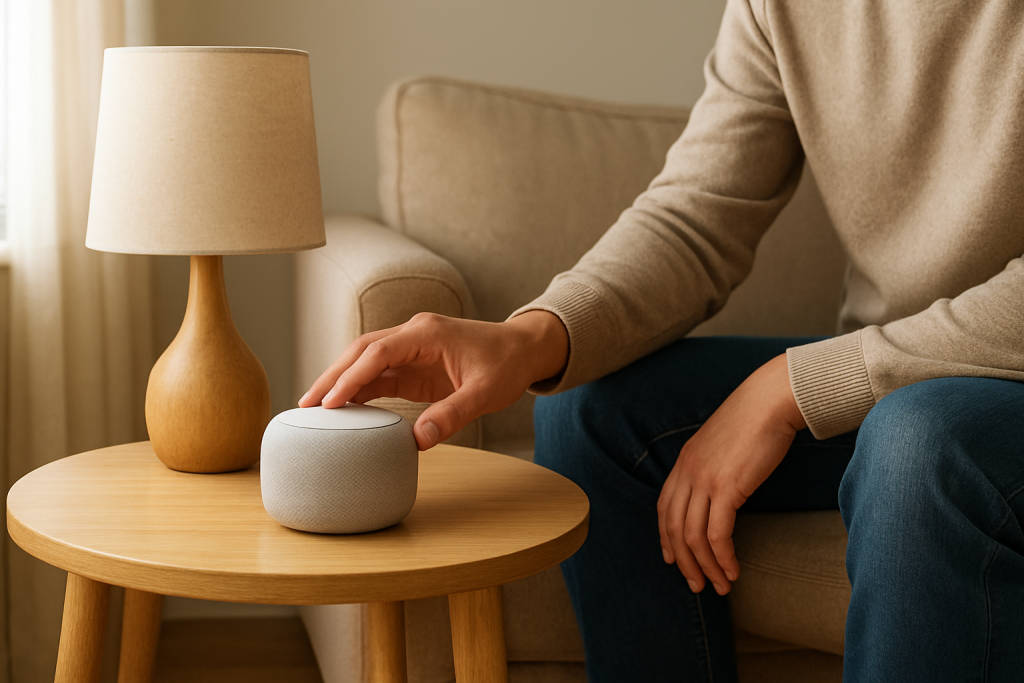
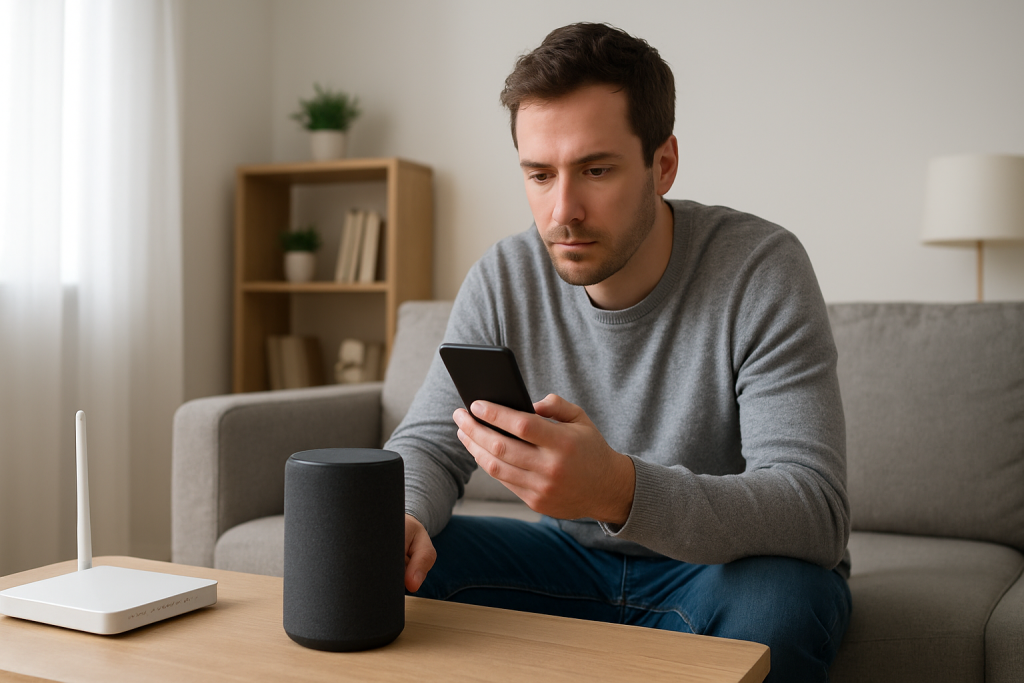
Google Home Not Playing Spotify or YouTube Music: How to Fix It
Quick Answer
The most common real-world cause is that Spotify or YouTube Music is no longer properly linked to Google Assistant (the login token expires, the account changes, or the link breaks after a password/security update). The next most common cause is that the default music provider is set to the wrong service, so Google Home tries to play from a provider you did not intend.
Do these three checks first (they take under two minutes):
1) In the Google Home app, confirm your default music provider is set to the service you are trying to use (Spotify or YouTube Music).
2) In the Google Home app, open the service and confirm it shows as linked to the correct account (not a different family member, an old email, or a brand account).
3) Ask a very specific test command: Hey Google, play Hello by Adele on Spotify (or on YouTube Music). If adding the service name fixes it, your default provider setting is wrong. If it still fails, the link/token is likely broken.
This affects Google Home and Nest speakers/displays, Chromecast/Google TV when controlled by Assistant, and phones/tablets using Google Assistant while connected to the same Google Home.
Why This Happens
Google Assistant does not stream music by itself. It hands off the request to a music provider using an account link (a sign-in authorization token) and a default provider setting. When either one is wrong, your speaker can hear you perfectly and still fail to play music.
The dominant root cause is a broken or mismatched account link/token. This commonly happens after a password change, enabling two-step verification, removing device access in your Google account security settings, reinstalling the Google Home app, or switching to a different phone that is signed into a different Google account.
Closely related causes that look similar:
1) Default provider mis-set: Google Assistant tries YouTube Music when you meant Spotify (or vice versa), or it falls back to a free tier behavior you did not expect.
2) Multiple accounts in the home: a spouse/roommate’s linked Spotify account is the one Google Home is using, or Voice Match is sending your request to the wrong profile.
3) Service region/language mismatch: the device language or Assistant language does not match the account’s supported region for the provider, causing “I can’t play that right now” or silent failures.
4) Provider app/account state issue: Spotify or YouTube Music is logged out, paused due to verification, or has a playback restriction (for example, Spotify can only stream on one device at a time on some plans).
5) Overlooked technical cause: the speaker is in the wrong Google Home “Home” structure or is controlled by a different Google account than the one you are editing, so you keep changing settings that do not apply to that device.
A real-world scenario: you changed your Spotify password on a laptop. Spotify works on the laptop, but your Nest speaker starts saying it cannot play Spotify. The speaker is still trying to use the old authorization token, so relinking fixes it immediately.
A common user mistake: changing the default music provider under one Google account while the speaker is actually assigned to a different household member’s Google account.
Most Likely Causes in Real Homes
1) Spotify/YouTube Music link token expired or was revoked after a password/security change.
2) Default music provider is set to the wrong service (or set to a different account’s preference).
3) Voice Match or multiple users causes Assistant to use the wrong profile’s linked service.
4) The device is in the wrong Home/room or is being managed from the wrong Google account in the Google Home app.
5) Network conditions prevent the speaker from reaching the provider login endpoints (less common, but can appear after router changes or DNS/filtering changes).
Step-by-Step Fix
Confirm you are editing the correct Google Home and the correct device.
What to do: Open the Google Home app. At the top, switch to the correct Home (if you have more than one). Tap your speaker/display device to open its device page. Confirm the device name matches what you are talking to.
What the result means: If you were in the wrong Home, any service changes you made earlier may not have applied to this device.
If it fails: If you cannot find the device, it may be set up under a different Google account. Switch accounts in the Google Home app and check again.
Check and set the default music provider (this fixes many cases immediately).
What to do: In the Google Home app, go to Settings, then Services, then Music. Set Default music provider to Spotify or YouTube Music, matching what you want. If you see multiple options, pick only one as the default to reduce confusion. Then try: Hey Google, play some music.
What the result means: If music starts playing after changing the default provider, the issue was a mis-set default (Assistant was sending requests to the wrong service).
If it fails: If it still says it cannot play, or it plays from the wrong account, continue to relinking steps.
Do a targeted command test to separate default-provider problems from linking problems.
What to do: Say: Hey Google, play a known song title on Spotify. Then repeat with on YouTube Music (even if you do not want that service). Listen to the response.
What the result means: If specifying the service name works but the generic request fails, your default provider setting is wrong or not applying to your profile. If specifying the service still fails, the account link/token is likely broken.
If it fails: Proceed to unlink/relink the service.
Unlink and relink Spotify or YouTube Music in the Google Home app (the primary fix for token issues).
What to do: In Google Home app, go to Settings, then Services, then Music. Tap the service (Spotify or YouTube Music). Choose Unlink. Then link it again and complete the login in the browser/app that opens. Make sure you sign into the exact account you want the speaker to use.
What the result means: A successful relink refreshes the authorization token. If token expiration/revocation caused the issue, playback should work immediately after relinking.
If it fails: If linking fails or loops back to the same screen, check that your phone’s browser can log in to the service normally. Also verify you are not signed into a different account in the browser than you intended.
Verify the linked account is the correct one (wrong-account linking is extremely common).
What to do: After linking, return to Settings, Services, Music and open the service entry again. It should show the connected account. If you have multiple emails, confirm it is not an old address. If available, open the Spotify or YouTube Music app and confirm you are logged into the same account there.
What the result means: If the wrong account is linked, Assistant may play the wrong playlists, fail due to plan limits, or refuse content due to restrictions on that account.
If it fails: Unlink again, then relink while explicitly logging out of other accounts in the browser first. On iPhone, also check if the login opens inside an in-app browser that may be signed into a different account than Safari/Chrome.
Check Voice Match and multi-user behavior (fixes cases where the wrong person’s account is used).
What to do: In Google Home app, go to Settings, then Google Assistant, then Voice Match. Ensure Voice Match is enabled for you and that your voice model is trained. Also check Household members and confirm the right people are added. Then test with: Hey Google, who am I? and listen to which profile it identifies.
What the result means: If it identifies the wrong person (or cannot identify you), it may use another household member’s default provider and linked service.
If it fails: Retrain Voice Match for your profile. If multiple people sound similar or the room is noisy, temporarily disable Voice Match for others and test again to confirm the cause.
Confirm the device’s Assistant language and your phone’s language match what the service expects.
What to do: In Google Home app, go to Settings, then Google Assistant, then Languages. Set your primary language consistently (for example, English (United States) on both the Assistant profile and the phone). Then try a simple request again.
What the result means: Language/region mismatches can cause Assistant to fail to match music requests or fail service handoff for certain accounts.
If it fails: Keep one primary language while troubleshooting. After it works, you can add a second language back if you use bilingual commands.
Run a quick account sync test from another Assistant endpoint.
What to do: On the same Google account, use Google Assistant on your phone (or a different Nest device) and ask it to play music from the same provider. Use the same phrasing you used on the speaker.
What the result means: If it fails everywhere, the issue is likely account-level (linking, subscription state, or provider outage). If it fails only on one speaker, the issue is likely device assignment, device-specific settings, or that device being signed into the wrong Home/account.
If it fails: If only one device fails, remove that device from the Home and add it back only after you finish the relinking steps (see Advanced Troubleshooting for when to do this).
Do a controlled network test only if linking/settings look correct: hotspot test to rule out router filtering.
What to do: Create a temporary hotspot on your phone. Connect the Google Home/Nest device to the hotspot Wi-Fi (you may need to move it close). Then try playing music again.
What the result means: If it works on the hotspot but not on your home Wi-Fi, your router/network is blocking or interfering with the service authentication or streaming endpoints. This is not a generic Wi-Fi strength problem; it is usually DNS, filtering, or a router security feature.
If it fails: If it does not work even on the hotspot, return focus to account linking, Voice Match, and Home/app configuration.
If the hotspot test points to the network, check for band steering or isolation issues using your router’s client list.
What to do: Log into your router and open the connected clients list. Confirm the speaker is connected and has a stable connection. If your router has separate 2.4 GHz and 5 GHz names, keep the phone and speaker on the same SSID during setup. Also check for settings like AP isolation, client isolation, or parental controls that could interfere with service sign-in.
What the result means: If the device is frequently disconnecting or hopping bands during setup, the service link can fail to complete or the device may not reach the provider reliably.
If it fails: Temporarily disable isolation features and retest. If you use a mesh system, ensure the device is not stuck on a far node during setup; move it closer to the main router for relinking.
Use a deliberate restart order only when settings are correct but the device still behaves as if it is cached.
What to do: Restart in this order: modem (if separate) first, then router, then the Google Home/Nest device last. Wait for the internet to be fully back before restarting the speaker. Then try a music request again.
What the result means: This clears stale network sessions and forces the device to re-establish cloud connections cleanly, which can help after relinking or after router changes.
If it fails: If the same error persists, move to Advanced Troubleshooting to focus on account/cloud state and configuration conflicts.
Advanced Troubleshooting
Only use this section if the basic fixes above did not restore playback, or if the problem keeps returning after a day or two.
Account/cloud issue: If relinking succeeds but playback still fails across multiple devices, check the provider account status. For Spotify, confirm the account can stream on another device and is not being used elsewhere at the same time. For YouTube Music, confirm the Google account used for linking is the one that actually has access to YouTube Music in your region and that there are no pending verification prompts. If you recently changed your Google account password or security settings, revisit the Music service link and relink again to generate a fresh token.
Network issue (only if hotspot works): If the hotspot test works but home Wi-Fi fails, focus on router features that affect authentication and streaming: DNS filtering, family safety filters, VPN profiles on the router, or custom firewall rules. Also check whether your ISP or router has a security feature that blocks newly linked services until the device reconnects. After changing any router setting, repeat the unlink/relink once more so the token exchange occurs under the corrected network conditions.
Firmware/software cause: If one device fails while others work, confirm the device is receiving updates. In the Google Home app, open the device and review its settings; if it shows as offline intermittently, it may not complete background updates. A device that is partially set up (or stuck mid-migration between Homes) can appear normal but fail service handoff.
Configuration conflict: If you have multiple Google accounts on the phone, it is possible to link the service under one account while controlling the speaker under another. As a test, remove extra Google accounts from the Google Home app session (switch to the account that owns the Home), then redo the unlink/relink under that same account. Also verify you are not using a work/school Google account that restricts third-party service linking.
When to Reset or Replace
Resetting should be a last step, used when you have confirmed the correct default provider and successfully relinked the service, but one specific device still cannot play music while others can.
Soft restart: Use a soft restart when the device is responsive but seems stuck using old settings (for example, it keeps trying the wrong provider even after you changed it). A restart clears temporary state but does not remove the device from your Home or erase settings.
Factory reset: Use a factory reset when the device is assigned to the wrong Home, cannot complete linking reliably, or behaves differently from identical devices after you have confirmed accounts and settings. A factory reset removes the device from your Google Home structure, clears Wi-Fi credentials, removes linked-home associations, and requires full setup again in the Google Home app.
Hardware safety warning: Factory reset and setup should be done using the device’s documented buttons/touch controls and the Google Home app. Do not open the device, do not attempt internal repairs, and do not use liquids or sprays to “fix” microphones or touch controls.
Replacement is rarely needed for this specific issue. If the device cannot stay connected to Wi-Fi long enough to complete setup, or it repeatedly disappears from the Google Home app even after a factory reset and verified stable network, then hardware or power issues may be involved. In that case, test with a different power outlet and the original power adapter before concluding the device is faulty.
How to Prevent This
Keep account links stable: if you change your Spotify password, enable two-step verification, or remove connected apps, plan to relink Spotify in the Google Home app afterward. The same applies if you change the primary Google account on your phone or migrate to a new phone.
Keep one clear default provider: set Spotify or YouTube Music as the default and avoid switching frequently. If multiple family members want different providers, rely on Voice Match and confirm each person links their own service under their own profile.
Maintain a clean Home structure: name devices clearly and keep them in the correct Home and room. If you have multiple Homes (for example, a vacation home), double-check the Home selector before changing service settings.
Network habits that help without overcomplicating things: avoid changing router DNS/filtering settings without noting what changed, and keep band steering/mesh roaming stable during setup. If you must do major router changes, relink the music service afterward so the authorization token exchange occurs under the new network conditions.
Placement advice: if a speaker is on the edge of coverage, it may connect well enough for voice recognition but fail during account handoff or streaming startup. During relinking and troubleshooting, move it closer to the router or main mesh node, then move it back once stable.
FAQ
Why does it work when I say on Spotify but not when I just say play music?
That pattern almost always means your default music provider is set differently than you expect. When you specify on Spotify, you override the default. Set the default provider in the Google Home app under Settings, Services, Music, then test again without naming the service.
My phone plays Spotify, but my Nest speaker says it can’t play it. Is my Spotify account broken?
Not necessarily. Phone playback only proves the Spotify account can stream. Your Nest speaker needs a separate authorization link through Google Assistant. If the speaker link token is expired or tied to a different Spotify account, the phone can work while the speaker fails. Unlink and relink Spotify in the Google Home app to refresh the token.
Do I need to reinstall the Spotify or YouTube Music app to fix this?
Usually no. The key connection is the service link inside Google Assistant/Google Home, not the presence of the provider app. Reinstalling can help only if the login flow is failing due to a corrupted app session, but most cases are resolved by unlinking and relinking the service in the Google Home app.
Misconception: If Wi-Fi is working, linking can’t be the problem. True?
False. A speaker can be fully connected to Wi-Fi and still fail music playback if the service authorization token is invalid or the default provider is wrong. Wi-Fi connectivity is necessary, but it is not sufficient for provider handoff and streaming permissions.
It plays from the wrong person’s playlists. How do I make it use my account?
This is typically a Voice Match and household setup issue. Make sure you are recognized correctly by asking who am I, then confirm your profile has the right provider linked and set as default. If the device often identifies someone else, retrain Voice Match and reduce background noise during training, then retest with a specific request like play my Discover Weekly on Spotify.
When the message is finally clear, the noise drops away fast. It feels less like wrestling a problem and more like setting something back where it belongs.
Now you can just live in your day instead of rehearsing the same worry. Oddly enough, that’s when it starts to matter—quietly, without fanfare.