Smart Devices Wont Reconnect After Router Restart Fixes That Work
Quick Answer
When smart devices won’t reconnect after a router restart, the most common cause is a DHCP renewal failure: the device doesn’t successfully request or receive a fresh IP address lease from the router, so it stays “connected” to Wi-Fi but can’t reach the network or internet.
Fixes that work most often are: power-cycling in the right order (modem/router first, then devices), forcing the device to renew its network settings (toggle Wi-Fi, reboot, or “forget and rejoin”), and adjusting router DHCP settings (lease time, DHCP pool size, and reservation conflicts). If only some devices fail, it’s frequently an IP conflict or a router feature (band steering, fast roaming, or WPA3) that breaks the device’s reconnect flow.
Why This Happens
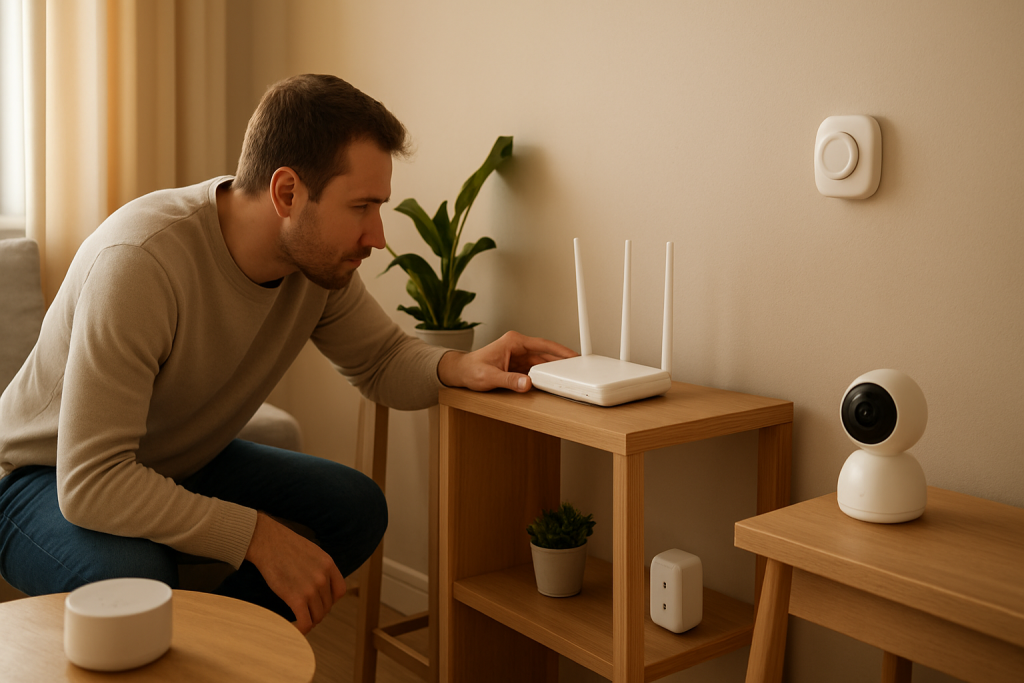
Most smart devices (plugs, bulbs, cameras, thermostats, speakers) are designed to reconnect automatically after a brief outage. After a router restart, they must complete two separate processes: reconnect to the Wi-Fi radio (2.4GHz or 5GHz) and then obtain valid network settings via DHCP (IP address, gateway, DNS). If the Wi-Fi reconnect happens but DHCP fails, the device may show as “connected” in the router list yet remain unreachable in the app.
DHCP issues are especially common with smart devices because many of them have lightweight network stacks and limited retry logic. If the router boots slowly, changes channels, or temporarily delays DHCP responses, the device may give up and keep an old lease that no longer matches the router’s current network state.
A real-world scenario: in an apartment with thick walls and lots of neighboring networks, a router restart can trigger automatic channel changes. Your smart plug in the far bedroom reconnects to 2.4GHz with a weak signal, but the DHCP request/response packets are more likely to drop. The plug stays on Wi-Fi yet never receives a renewed IP address, so your app reports it offline.
One common user mistake is restarting the router repeatedly in quick succession. Each reboot interrupts the DHCP process and can leave devices stuck with stale leases or partial network configuration. Another frequent mistake is changing the Wi-Fi name or password during troubleshooting; that forces every device to re-provision and can hide the real issue (DHCP renewal failure) behind a bigger configuration change.
An overlooked technical cause is an exhausted DHCP pool. If your router is set to hand out only a small range (for example, 192.168.1.2 to 192.168.1.50) and you have phones, laptops, TVs, guests, and many smart devices, the router may run out of available addresses after a restart. Devices then fail to get a lease and remain offline until an address frees up.
Router configuration issues can also contribute: very short DHCP lease times, conflicting DHCP servers (common with ISP modem-router combo units plus a separate router), or IP reservations that overlap the DHCP pool. Firmware bugs can worsen it, especially after updates that change DHCP behavior, band steering, or security settings like WPA3.
Finally, 2.4GHz vs 5GHz matters. Many smart devices support only 2.4GHz. If your router uses a single SSID for both bands, band steering can confuse reconnect behavior after a restart, or the phone used for setup may jump to 5GHz while the device is on 2.4GHz, causing setup and discovery to fail even though DHCP is the underlying problem.
Step-by-Step Fix
Restart in the correct order and wait long enough. Power off the router (and modem if separate). Wait 30 seconds. Power on the modem first (if you have one) and wait until it is fully online. Then power on the router and wait 3–5 minutes. Many DHCP failures happen because devices request an IP before the router’s DHCP service is ready.
Force the smart device to retry DHCP. For the affected device, do one of the following: toggle its Wi-Fi setting (if it has one), reboot it, or unplug it for 20 seconds and plug it back in. This forces a new DHCP discovery/request cycle instead of clinging to an old lease that may no longer be valid.
“Forget” and rejoin the Wi-Fi network (only for the devices that support it). If the device has an app-based Wi-Fi reset or a physical reset that preserves pairing, use it to rejoin the same SSID and password. This clears cached network parameters (including an old IP, gateway, or DNS) and triggers a clean DHCP negotiation.
Check the router’s DHCP pool size and expand it. Log into the router admin page and locate DHCP settings. Ensure the DHCP range is large enough for all devices (including guests). For example, if your network is 192.168.1.x, a safer pool might be 192.168.1.50–192.168.1.250 rather than a tiny range. Save changes and reboot the router once.
Look for IP conflicts and reservation mistakes. If you use DHCP reservations (static assignments by MAC address), confirm that reserved IPs are outside the automatic DHCP pool or correctly managed by the router. A conflict can occur when a device tries to reuse an old address that the router has already given to another device after reboot. If you suspect this, temporarily disable reservations, reboot the router, and test reconnect behavior.
Disable extra DHCP servers (common with ISP combo units). If you have an ISP modem-router combo plus your own router, you may accidentally have two devices handing out IP addresses. That can cause intermittent reconnect failures after restarts. Put the ISP unit into bridge mode (preferred) or disable its DHCP and Wi-Fi so only your primary router provides DHCP.
Confirm the smart device is on the intended band (usually 2.4GHz). If the device is 2.4GHz-only, ensure 2.4GHz is enabled and not hidden. If you use a single SSID for both bands, consider temporarily splitting SSIDs (e.g., HomeWiFi-2.4 and HomeWiFi-5) to stabilize reconnect and setup. Once the device reliably renews DHCP leases, you can decide whether to keep them split.
Reduce interference and improve signal for the problem devices. Move the router away from thick walls, metal shelves, and microwave/cordless phone bases. If the device is far away (garage, back bedroom), test by temporarily moving it closer to the router. Weak signal can selectively break DHCP because the handshake requires multiple quick exchanges.
Update router firmware and reboot once. Router firmware updates often fix DHCP stability, band steering issues, and reconnect bugs. After updating, reboot the router a single time and then leave it up for at least 10 minutes before power-cycling devices again.
Advanced Troubleshooting
If the basic steps don’t fix it, focus on proving whether the failure is Wi-Fi association or DHCP renewal. The goal is to identify whether the device is failing to get an IP address, getting the wrong IP information, or losing connectivity due to roaming/security features.
Use a practical testing method: verify IP assignment and lease behavior
Open your router’s connected clients list and find the device. Check whether it has an IP address, and whether that IP is in your LAN range (for example, 192.168.1.x). If the device shows no IP, “0.0.0.0,” or a blank entry, that strongly indicates DHCP failure. If it shows an IP but the device is still offline, check whether the gateway and DNS are being delivered correctly (some routers show this in DHCP lease details).
If you can, run a quick ping test from a computer on the same network to the device’s IP. If ping fails but the router shows the device connected, try rebooting the device to force DHCP renewal again. If ping works but the app can’t see it, the issue may be cloud connectivity, DNS, or app discovery rather than Wi-Fi itself.
Check for “self-assigned” or fallback IP behavior
Some devices will assign themselves a fallback address if DHCP fails. Others will keep an expired lease and never recover until rebooted. If you see repeated offline/online cycles after every router restart, consider increasing DHCP lease time (for example, from 1 hour to 24 hours) to reduce the frequency of renewals and the chance of failure during brief router disruptions.
Review router features that can disrupt reconnect
Several router features can cause smart devices to reconnect to Wi-Fi but fail during DHCP renewal or subsequent traffic:
Band steering / Smart Connect: Can push clients between 2.4GHz and 5GHz. Some smart devices don’t handle this well after a restart. Testing with split SSIDs can confirm.
Fast roaming (802.11r/k/v): Helpful for phones, but some IoT devices fail authentication or drop during transitions, which can look like DHCP trouble. Temporarily disable fast roaming to test.
WPA3-only mode: Many smart devices require WPA2. Use WPA2-Personal or WPA2/WPA3 mixed mode if available.
Client isolation / AP isolation: Can prevent local discovery and control even when DHCP is fine. If devices get an IP but apps can’t find them locally, check isolation settings.
Look for channel changes and DFS behavior
After a restart, routers may switch channels automatically. On 5GHz, DFS channels can force the router to move if radar is detected, causing reconnect loops. While many smart devices are 2.4GHz-only, your phone and hubs may be on 5GHz, and the ecosystem can break when the hub or controller is unstable. Locking 2.4GHz to a stable non-overlapping channel (1, 6, or 11) and avoiding DFS on 5GHz during testing can reduce variables.
Consider DNS and time sync as secondary triggers
Even with a valid IP, some devices appear offline if DNS fails or time sync fails after reboot. If your router offers custom DNS, test with a known reliable DNS provider or revert to ISP defaults temporarily. Also check whether the router’s time is correct; incorrect time can break TLS connections to cloud services, making devices look disconnected even though DHCP succeeded.
When to Reset or Replace the Device
Resetting a smart device is justified when it consistently fails DHCP renewal even after router-side fixes and strong signal testing. Before a full factory reset, try the least destructive option: a power cycle or a network reset that keeps it paired to the account but clears Wi-Fi credentials.
Consider a full factory reset when:
1) The device never appears in the router’s DHCP lease list after multiple attempts, even when placed near the router.
2) The device repeatedly reconnects to Wi-Fi but shows no IP address or changes IP rapidly in a way that suggests a broken DHCP client.
3) The manufacturer app reports “connected to Wi-Fi but no internet” after every router restart, and other devices on the same SSID work normally.
Replacement becomes more likely if the device is older and no longer receives firmware updates, or if it only supports outdated Wi-Fi/security methods that your router no longer handles well. Devices with poor DHCP implementations may remain unreliable on modern networks, especially when combined with mesh roaming features and band steering.
How to Prevent This in the Future
Preventing smart devices from failing after router restarts is mostly about making DHCP predictable and reducing reconnect complexity.
First, stabilize DHCP. Use a sufficiently large DHCP pool, avoid overlapping reservations, and set a sensible lease time (often 12–24 hours for home networks). If you rely on reservations, document them and keep them organized so you don’t accidentally reserve an address inside the pool for one device while another device is being handed the same address dynamically.
Second, keep one clear “source of truth” for DHCP. If you have an ISP modem-router combo, put it in bridge mode when using your own router, or disable its DHCP. Two DHCP servers is a classic cause of intermittent failures that show up after restarts.
Third, design for 2.4GHz reliability. Many smart devices are 2.4GHz-only, and they benefit from stable channels and good coverage. If your home has thick walls or long distances, consider adding a mesh node or access point closer to the devices. Place the router centrally and away from interference sources. If you use a single SSID for both bands, confirm your router handles IoT devices well; otherwise, keep a dedicated 2.4GHz SSID for smart devices.
Fourth, keep firmware current on both router and devices. Router updates can fix DHCP and reconnect bugs; device firmware updates can improve Wi-Fi and DHCP behavior. Schedule updates when you can monitor reconnects, and avoid repeated power cycling during the first few minutes after a router reboot.
Finally, avoid the common mistake of “panic rebooting.” If the router restarts, give it time to fully initialize, then power-cycle only the devices that remain offline. Rebooting everything repeatedly can prolong DHCP instability and make it harder to spot the real failure point.
FAQ
Why does my smart device show connected to Wi-Fi but still says offline?
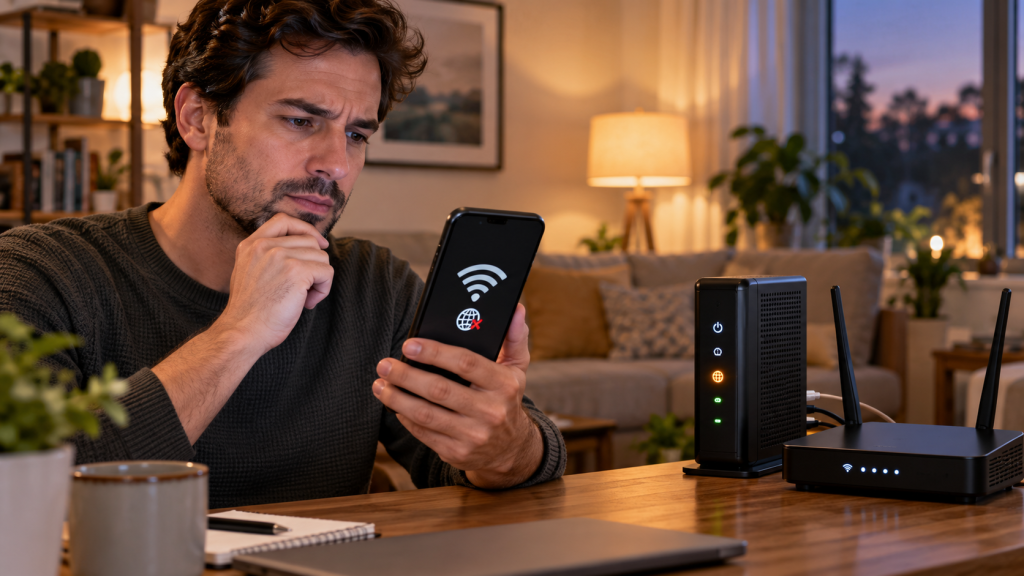
This usually means Wi-Fi association succeeded, but the device didn’t get valid network settings. The most common reason is DHCP renewal failure: no IP address, an expired lease, or incorrect gateway/DNS information. Check the router’s client list to confirm the device has a proper LAN IP and then reboot the device to force a fresh DHCP request.
Does splitting 2.4GHz and 5GHz help devices reconnect after a restart?
Yes, often. Many smart devices only use 2.4GHz, and a single combined SSID with band steering can cause unstable reconnect behavior after a reboot. Splitting SSIDs during troubleshooting makes it clear which band the device is using and can reduce reconnect failures that interrupt DHCP.
How do I know if my DHCP pool is too small?
If some devices reconnect while others fail after a restart, and you have many clients (phones, TVs, guests, smart devices), your router may run out of addresses. In the router DHCP settings, expand the address range and then reboot once. Also check the client list for “unknown” or stale entries that may be consuming leases.
Can an ISP modem-router combo cause this even if I added my own router?
Yes. If the ISP unit is still routing and running DHCP while your router is also running DHCP, devices can receive conflicting IP settings, especially after restarts. Put the ISP unit into bridge mode or disable its DHCP so only one device assigns IP addresses.
Should I use DHCP reservations for smart devices?
Reservations can improve stability for devices that are sensitive to IP changes, but only if configured correctly. Make sure reserved addresses don’t overlap with the dynamic DHCP pool (or use the router’s built-in reservation feature that manages this safely). A misconfigured reservation is a common cause of IP conflicts that appear right after a router reboot.
It’s the kind of issue that feels louder than it is, until the noise settles and everything lines up. After a while, you notice how much easier your days become when the obvious friction is gone.
Not dramatic. Not cinematic. Just steadier—like unclenching a fist you didn’t realize you’d been holding all along.