Smart Plug Not Following Schedule? Fixes to Try First
Quick Answer
When a smart plug or smart switch ignores a schedule but still works when you tap On/Off, the most common cause is schedule execution failing due to time sync problems (wrong time zone, incorrect device clock) or a cloud/app sync issue (the schedule exists in the app, but the device or cloud service isn’t actually running it).
This often shows up after a router restart, power outage, app update, changing phones, traveling, or mixing platforms (for example: the plug is in the manufacturer app, but the schedule is actually in Alexa/Google Home/Apple Home/SmartThings, or vice versa).
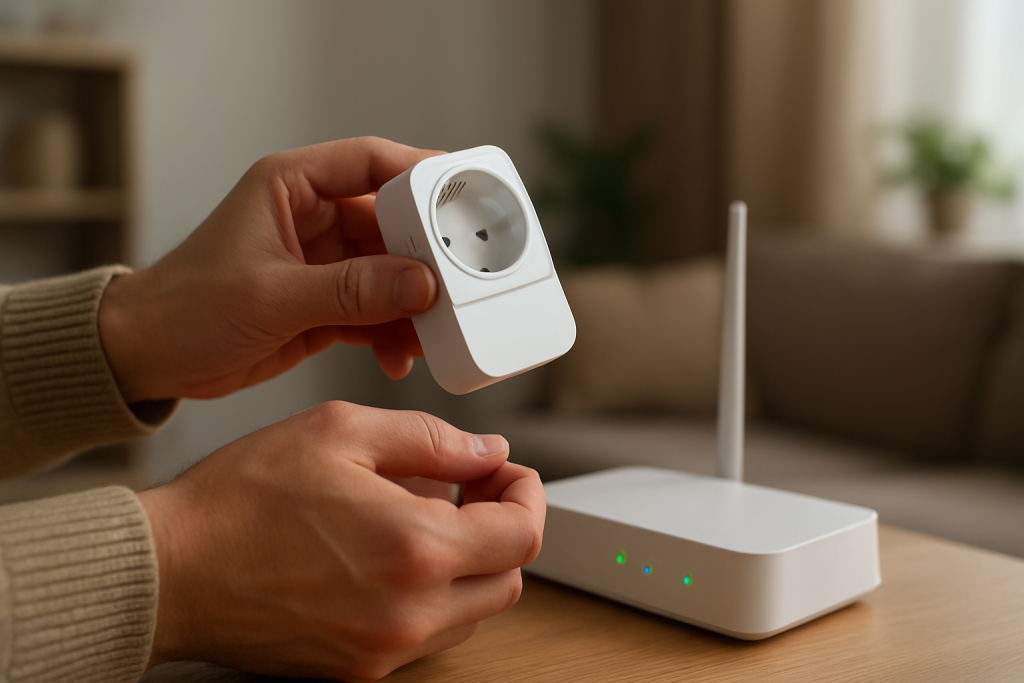
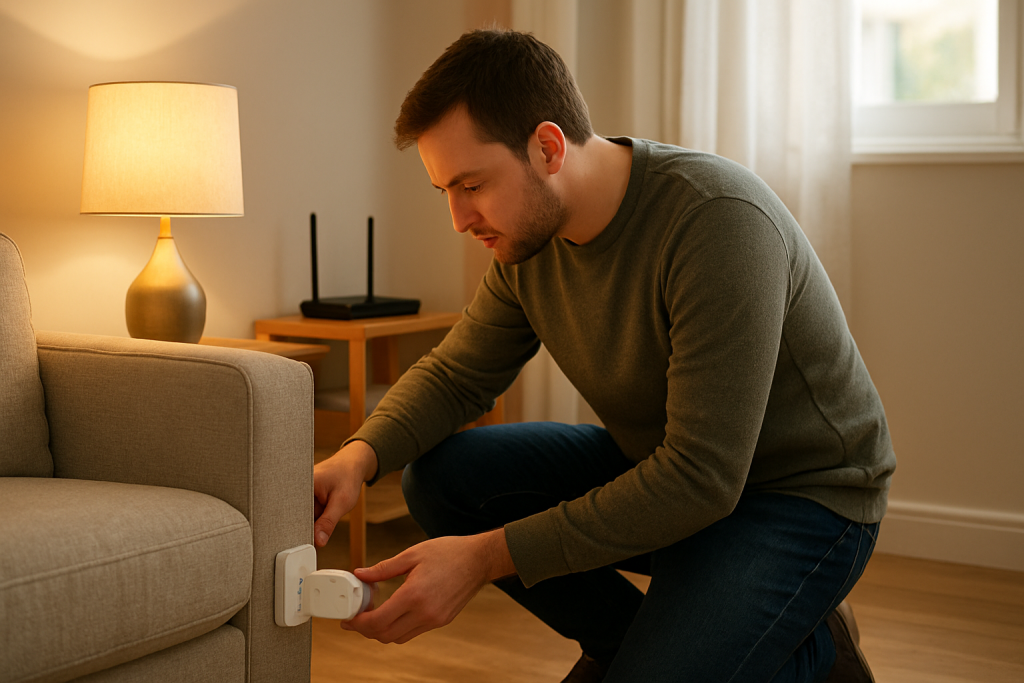
Do these three checks first: (1) verify the Home/Location time zone in the app that owns the schedule, (2) toggle the schedule OFF then ON and confirm the next run time updates, and (3) force a device “refresh” by unplugging the plug for 10 seconds (or turning the smart switch’s power off at the circuit’s normal control if available) and then reopening the app to confirm it reconnects and shows the correct time/next action.
Why This Happens
Schedules are time-based automations. That means your smart plug/switch must agree on “what time it is,” and the system that triggers the schedule must be able to reach the device at the scheduled moment. If the schedule is stored in the cloud (common with many WiFi plugs and cross-platform setups), any account sync issue or cloud delay can cause missed runs even when manual control still works later.
Common tightly related causes include:
First, a time zone or daylight saving mismatch in the controlling app (Alexa, Google Home, Apple Home, SmartThings, or the device maker’s app) can shift schedules or prevent them from firing as expected. Second, an app/cloud session issue can leave your schedule “visible” on your phone but not properly registered in the cloud that executes it. Third, after a router restart or power outage, the plug may reconnect with a new network path and briefly lose cloud registration, so the scheduled trigger occurs while the device is effectively not reachable.
Real-world scenario: after an internet outage overnight, the plug reconnects to WiFi but takes several minutes to re-authenticate to the cloud; your 6:00 AM schedule fires in the cloud, but the device isn’t fully online yet, so nothing happens. Common user mistake: creating the same schedule in two places (for example, one in the plug’s app and one in Alexa) and later disabling only one, leading to unpredictable behavior. Overlooked technical cause: the schedule is tied to a “Home” or “Location” object (Apple Home, Google Home, SmartThings) that has the wrong address/time zone or was changed when you added a second home, switched phones, or accepted a family sharing invite.
Most Likely Causes in Real Homes
1) Wrong time zone, DST, or location in the platform running the schedule (most likely): schedules fire at the wrong time or not at all because the controller thinks it’s a different local time.
2) Cloud/app sync issue after an update, login change, or brief outage: the schedule looks correct in the app, but the cloud service didn’t save it correctly or the device isn’t subscribed to it.
3) Schedule owned by the “wrong” app/ecosystem: you edit a schedule in the manufacturer app, but the one actually turning the plug on/off is in Alexa/Google/HomeKit/SmartThings (or a Matter controller).
4) Device temporarily “online” but not reachable at the scheduled moment: common with mesh WiFi roaming, band steering, or a weak 2.4 GHz connection that drops briefly.
5) Automation conflict (scenes, routines, power recovery settings): another routine turns it back off, or the plug/switch restores a state after power loss that overrides what the schedule tried to do.
Step-by-Step Fix
Identify where the schedule is actually running (manufacturer app vs Alexa vs Google Home vs Apple Home vs SmartThings).
If the schedule is listed in more than one app, that usually means you have multiple “owners” competing. If you only find it in one place, that app is likely the scheduler.
If you can’t tell, temporarily disable schedules in all apps except one, test one scheduled event, then re-enable only the schedule source that works reliably.
Check time zone and location settings in the schedule owner app (and the phone’s system time).
If the time zone/address is wrong, schedules will fire at unexpected times or may appear to “skip” when crossing DST changes. Correct time zone/location, then review the schedule’s next run time.
If everything looks correct but schedules still miss, move to the next step to force a re-sync of the schedule with the cloud/controller.
Force a schedule re-sync: toggle the schedule OFF, save, then ON again; change the time by 1 minute and save, then change it back and save.
If the app updates the “next run” and the device follows the next event, the issue was likely a stale cloud registration or app sync glitch.
If it still fails, continue with the connectivity-at-trigger-time checks below.
Confirm the device is truly reachable when the schedule should run (not just “eventually online”).
About 2–3 minutes before the next scheduled event, open the controlling app and verify the device status updates quickly (no long spinner, no “offline/unreachable”). If it’s slow or flips offline, the schedule may be firing while the device is effectively disconnected.
If it looks unstable, try the next step to reduce time sync and cloud dependency variables by refreshing the device’s connection.
Do a targeted power refresh of the smart plug/switch and then verify cloud reconnection.
Unplug the smart plug for 10 seconds and plug it back in (for a smart switch, use the normal safe method to remove and restore power if available in your home setup; avoid any wiring work). If, after power returns, the device appears quickly and stays online, missed schedules after outages were likely due to delayed cloud re-registration.
If the device takes a long time to come back online or frequently shows offline, proceed to the network-specific checks next.
For WiFi plugs/switches: confirm the device is on 2.4 GHz and not being pushed between nodes (mesh roaming or band steering).
If the device is on 5 GHz (some models can’t handle it) or is “sticky” to a far mesh node, it may briefly drop, causing schedule misses. A stable 2.4 GHz connection is more important than speed for schedule reliability.
If you can’t control band selection, temporarily move the plug closer to the main router (or temporarily power down a nearby mesh node) and test schedules again to see if stability improves.
Check for duplicate or conflicting automations (including scenes, “away” modes, and power recovery behavior).
If the plug turns on at the scheduled time but turns off within seconds/minutes, that usually means another automation is reversing it (common when both the manufacturer app and Alexa/Google/HomeKit/SmartThings have routines). Also check any “power restore state” setting that may force On/Off after an outage.
If you find conflicts, disable all but one automation source for that device, then re-test for at least one full day.
Re-link or re-authorize the integration if schedules are managed by a platform (Alexa/Google/SmartThings/HomeKit/Matter) but the device is from another ecosystem.
If re-linking immediately restores schedule behavior, the issue was likely an expired token/session between the platform and the device cloud (a common post-update or password-change problem).
If it still fails, move to Advanced Troubleshooting for cloud outages, controller selection (Matter), and account-level issues.
Advanced Troubleshooting
This section is only needed if basic fixes fail.
Account/cloud service issue: If many devices from the same vendor miss schedules at the same time (especially during internet instability), suspect a cloud-side delay or partial outage. In this case, manual control might work later, but scheduled commands time out when sent. Check whether the vendor service status is reported in the app, and try logging out/in to refresh the session.
Network edge case that affects time sync: Some routers with aggressive security, custom DNS, or ad-blocking can interfere with time synchronization or cloud endpoints. If schedules start working when you temporarily connect the plug to a phone hotspot (quick isolation test), your home network is likely blocking or delaying the traffic needed for schedule execution. If the hotspot test works, revert to normal WiFi and look for router features like DNS filtering, parental controls, or firewall rules affecting the device.
Firmware/software mismatch: A plug may show online but still fail scheduled actions if firmware updates partially applied or the app version changed schedule handling. Confirm the device firmware is current in the manufacturer app and that your controlling app is updated. If an update is available, apply it when the device is stable and online; missed schedules during an update window are common.
Configuration conflicts across ecosystems: If you have the same device exposed in multiple places (for example, manufacturer app plus Alexa plus Google Home plus SmartThings), decide which system “owns” schedules and delete/disable schedules elsewhere. Also check home/room assignment: if the plug is in the wrong Home (Apple Home) or wrong Location (SmartThings/Google), automations may not target it correctly.
Matter controller/bridge selection issue: With Matter devices or bridges, schedules can depend on which controller is acting as the primary (Apple Home hub, Google hub, SmartThings hub). If schedules fail only in one ecosystem but work in another, the problem is often controller reachability or a stale fabric/controller relationship. Reboot the home hub/controller (not just your phone), then verify the device is assigned correctly and appears responsive before testing schedules again.
When to Reset or Replace the Device
A soft restart is simply power-cycling the smart plug/switch (off briefly, then back on) to force a clean reconnect and time re-sync. A factory reset wipes the device’s pairing and configuration and should be used only after you’ve confirmed the issue is not time zone, cloud sync, or automation conflicts.
Before factory reset, understand what you may lose: WiFi credentials and pairing, device name, room/home assignment, schedules and timers stored in the device app, and linked automations in Alexa/Google/HomeKit/SmartThings/Matter that reference the old device entry. For energy-monitoring smart plugs, you may also lose historical energy data stored in the app.
Replacement becomes reasonable if the device repeatedly goes offline while other devices remain stable, cannot complete firmware updates, frequently desyncs time/schedules after every outage, or shows unstable switching behavior (random clicking or inconsistent on/off state) even with automations disabled.
Safety note: stop using the device and replace it if you notice overheating, a burning smell, discoloration, melting, crackling sounds, or any visible damage at the plug, outlet, or switch faceplate.
How to Prevent This in the Future
Keep schedules owned by one place. Pick one scheduler (manufacturer app or one ecosystem like Alexa/Google Home/Apple Home/SmartThings) and avoid duplicating routines across apps. Duplicate automations are a top cause of “it didn’t follow the schedule” reports because another rule silently overrides it.
Maintain consistent home/location settings. After moving, traveling, changing phones, or adding a second home, verify the Home/Location address and time zone in the controlling app and confirm the schedule shows the correct next run time.
Build stable recovery habits after outages. After power or internet returns, give WiFi devices a few minutes to re-register with the cloud before expecting schedules to be reliable. If outages are common, consider manually triggering one on/off action in the app after power returns to confirm the device is truly reachable.
Reduce connectivity surprises. For WiFi plugs/switches, aim for a strong, stable 2.4 GHz connection and avoid placing them where they constantly roam between mesh nodes. For hub-based devices (Zigbee, Hue integrations), keep the hub powered and online; schedules often depend on the hub/controller being healthy.
Keep apps and firmware updated, but watch the timing. Update when you can monitor the device afterward. If schedules break right after an update, re-authentication (log out/in) and toggling the schedule OFF/ON is often faster than a full reset.
Use clean naming and permissions. In shared homes, confirm you’re editing schedules with the owner account that created them. Keep device names unique across apps to avoid targeting the wrong device or duplicate entries created by re-linking.
FAQ
My smart plug turns on manually, so why won’t the schedule run?
Manual control only proves the device can respond right now. A schedule requires correct time settings and a working path at the exact trigger moment (often through a cloud service or a home hub). If the device was offline or not fully registered to the cloud at that moment, the scheduled command can be missed even though manual control works later.
Do schedules run locally, or do they need the internet?
It depends on the ecosystem and device. Many WiFi smart plugs run schedules through the vendor cloud, so internet and account sync matter. Some hub-based systems (certain Zigbee setups, some HomeKit/Matter arrangements with a home hub) can run locally, but they still require correct time on the hub/controller. A common misconception is that “WiFi connected” automatically means schedules are local; often they are not.
It worked before a power outage/router reboot. What’s the most likely fix?
Confirm the time zone in the schedule owner app, then power-cycle the plug and verify it comes online quickly in the app. If it reconnects slowly, the schedule may be firing before the device finishes cloud re-registration. After recovery, toggle the schedule OFF/ON once to force re-sync.
Why does it follow the schedule in the manufacturer app but not in Alexa/Google Home (or the other way around)?
That usually means the two systems are out of sync or you have competing automations. If a schedule works in one app but not the other, keep schedules in the app that reliably executes them and remove duplicates elsewhere. If you must use the platform schedule, re-link the vendor account and re-discover/resync devices so the platform has a fresh authorization to send scheduled commands.
After all that ink, the real payoff is the feeling of everything clicking into place. The noise fades, and the work starts to look less like a riddle and more like something you can actually live with.
What’s left isn’t drama—just a steadier rhythm. It’s the kind of change that doesn’t announce itself, but you notice it the moment your day stops snagging.