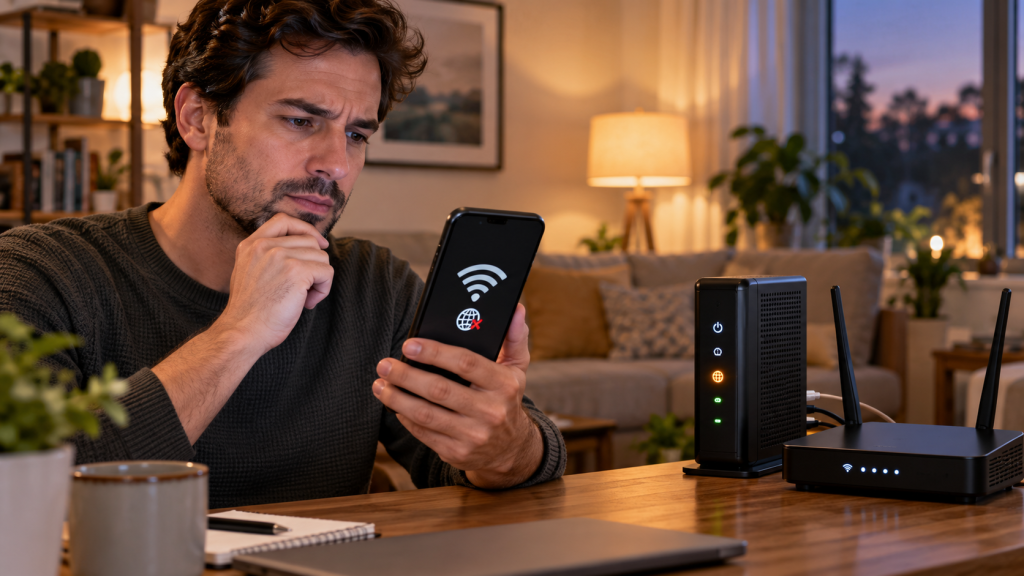
No Internet on One Device Only After Changing DNS: How to Fix It
Quick Answer
If only one device lost internet right after you changed DNS, the most likely cause is an incorrect DNS assignment on that device (wrong server address, wrong mode such as manual vs automatic, or a DNS profile/app override). Fix it by switching the device back to “Automatic” DNS (DHCP-provided) or entering known-good DNS servers correctly, then reconnecting to Wi‑Fi.
If that doesn’t work, “forget” the Wi‑Fi network on the affected device, reboot the device, and renew its IP/DNS lease by reconnecting. Also verify the device didn’t keep an old, incompatible DNS setting from before the change (common on smart TVs, game consoles, and IoT devices).
Why This Happens
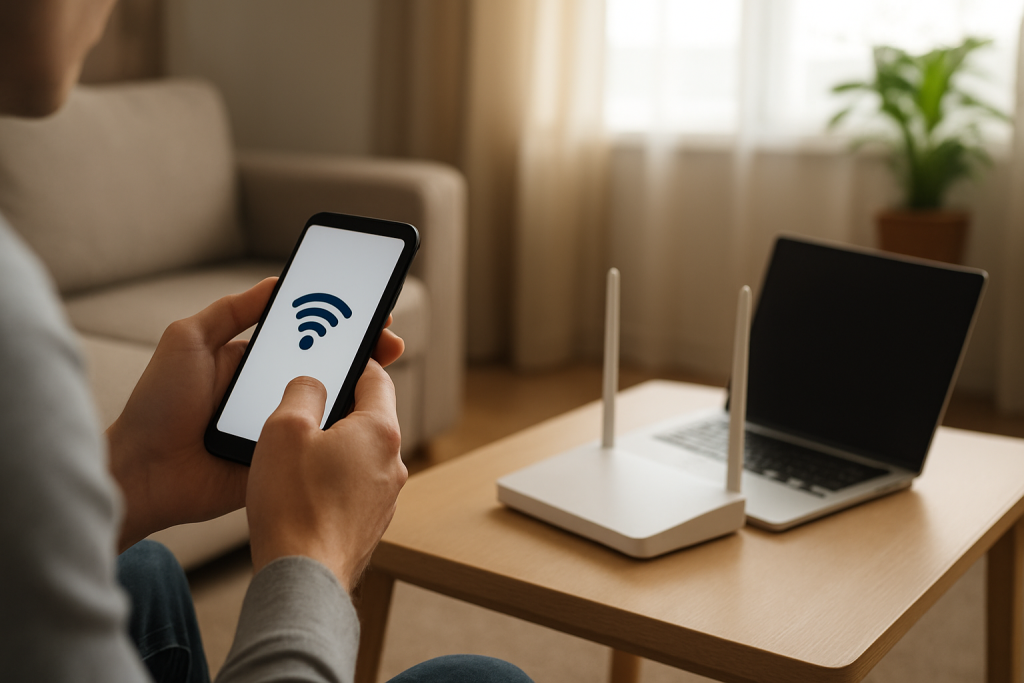
DNS (Domain Name System) is the part of your network that turns names like example.com into numeric IP addresses. When DNS is wrong, the device may still connect to Wi‑Fi and even show a strong signal, but it can’t resolve websites or app servers. That often looks like “No Internet” even though the Wi‑Fi connection itself is fine.
When only one device breaks after a DNS change, it usually means that device is not using the same DNS settings as everything else. Many home networks have a mix of DNS sources: the router’s DHCP settings, manual DNS entered on the device, DNS set by a VPN or security app, and sometimes “Private DNS”/DoH (DNS over HTTPS) at the operating system level. One incorrect entry can override the rest.
A common user mistake is typing the DNS server incorrectly (for example, swapping digits, missing a dot, or entering the router’s IP in the wrong field). Another frequent mistake is setting a manual DNS but leaving the IP configuration on automatic, then later changing router settings and assuming the device will follow—manual DNS on the device will not automatically update.
An overlooked technical cause is that some devices validate “internet access” by reaching a specific test domain. If your new DNS blocks that domain (or your router has a DNS filter/parental control tied to DNS), the device may declare “No Internet” even though browsing might work in some apps. Smart devices can be especially sensitive to this because they often rely on a small set of cloud endpoints.
Finally, DNS problems can be amplified by home Wi‑Fi instability. In an apartment with thick walls and many neighboring networks, a device on 2.4GHz might cling to a weak signal farther from the router, causing intermittent packet loss. DNS is small, time-sensitive traffic; if those queries fail, the device may appear offline. Meanwhile, a phone on 5GHz closer to the router might work fine, making it feel like “only one device is broken.”
Step-by-Step Fix
Confirm it’s DNS and not the entire connection. On the affected device, check whether it has a Wi‑Fi connection and an IP address. If it shows “Connected” but apps say “No Internet,” try opening a site by IP address (for example, if you can, visit a known IP or use an app feature that doesn’t require name resolution). If IP-based access works but names don’t, DNS is the issue.
Practical testing method: from another working device on the same Wi‑Fi, run a DNS leak test or simply try multiple websites. Then compare with the failing device. If the failing device can’t load any domain names while others can, focus on the device’s DNS assignment.
Set DNS back to Automatic (recommended for troubleshooting). On the affected device, open the Wi‑Fi network details and set DNS to “Automatic” or “DHCP.” Save, disconnect, and reconnect.
On many devices this is under: Wi‑Fi network > Advanced > IP settings (DHCP) and DNS settings (Automatic). Smart TVs and consoles often hide it under “Network Settings” > “IP Settings” > “DNS Settings.”
If you need manual DNS, re-enter it carefully and include both servers. If you intentionally changed DNS for filtering or performance, enter known-good DNS servers exactly. Use two servers (Primary and Secondary) so the device has a fallback. Double-check every digit and dot.
Also verify you didn’t accidentally enter a DNS server that only works inside your network (for example, a Pi-hole address) when the device is on a guest network or a different VLAN that can’t reach it.
Forget the Wi‑Fi network and reconnect to force a fresh DHCP lease. Choose “Forget Network” (or “Remove”), then reconnect and re-enter the Wi‑Fi password. This forces the device to request fresh network settings from DHCP, including DNS.
Simple DHCP explanation: your router hands out IP addresses and DNS settings automatically. If the device cached an old lease, it may keep using outdated DNS until the lease renews.
Toggle airplane mode or reboot the device (not just sleep/wake). A full reboot clears stuck network services and DNS caches on many platforms. For smart TVs and streaming sticks, unplug power for 30 seconds, then plug back in.
Check for VPN, “Private DNS,” or security apps overriding DNS. On Android, “Private DNS” can force a DNS provider even when Wi‑Fi is set to automatic. On iOS/macOS, VPN profiles, DNS profiles, or security apps can do the same. Disable VPN temporarily, remove any custom DNS profiles, and test again.
Verify date/time and captive portal status. Incorrect device time can break HTTPS connections and make it look like “No Internet,” especially after network changes. Also, if your router or ISP uses a captive portal (common with ISP modem-router combos after resets), the device may be waiting for a sign-in page it can’t display properly.
Move the device closer to the router and retest on both 2.4GHz and 5GHz. If the device is far away (for example, a bedroom TV behind thick walls), try moving it temporarily closer to the router. If your router has separate SSIDs, test both bands:
2.4GHz travels farther and through walls better but is more prone to interference from neighbors, microwaves, and Bluetooth. 5GHz is faster and often cleaner but has shorter range. A weak, noisy 2.4GHz link can cause DNS queries to time out, creating “No Internet” symptoms on only that device.
Advanced Troubleshooting
If the basic steps don’t restore internet on the single affected device, focus on conflicts between router-side DNS settings and device-side behavior. The goal is to ensure the device receives a valid IP configuration and can reach a reachable DNS server reliably.
Check the router’s DHCP DNS settings and guest network rules
Log into your router and confirm what DNS it is handing out via DHCP. If you recently changed DNS on the router, make sure the change was applied to the correct network. Many routers have separate settings for the main LAN and the guest Wi‑Fi. A common router configuration issue is setting custom DNS on the main network but leaving the guest network on a different DNS or isolating guests so they can’t reach an internal DNS server (like a local resolver).
If your affected device is connected to “Guest,” it may be blocked from reaching a local DNS server address you entered. Switch it to the main SSID or change guest DNS to public resolvers.
Look for IP conflicts or stale reservations
Even though the trigger was a DNS change, an IP conflict can appear at the same time and confuse troubleshooting. If two devices end up with the same IP address (often due to manual IP settings or a bad DHCP reservation), one device may lose reliable connectivity and fail DNS lookups.
On the router, check the client list and DHCP reservations. If the affected device has a reserved IP, remove the reservation temporarily, reboot the device, and let it pull a new address. If the device uses a manual/static IP, switch it back to DHCP while testing.
Test DNS reachability from the router and from a working device
If your router supports it, use built-in diagnostics (ping or DNS lookup) to query a domain using the configured DNS servers. If the router can’t resolve names, the DNS servers may be unreachable from your ISP connection, or the router may not have applied settings correctly.
From a working computer on the network, run a DNS lookup against the intended server (for example, query a domain using the custom DNS). If it works on the computer but not on the failing device, the problem is almost certainly device-level DNS assignment or an app/profile override.
Consider firmware/software quirks after DNS changes
Firmware and OS updates can change how devices handle DNS, especially with newer privacy features (DoH/DoT) and “secure DNS” options. A streaming device may cache DNS aggressively or fail to fall back to the secondary server. Check for updates on the device and the router. If the router recently updated firmware, review whether it enabled DNS filtering, “DNS rebind protection,” or parental controls that could block certain lookups.
ISP modem-router combo edge cases
In real-world apartment setups, it’s common to have an ISP modem-router combo plus your own router. If both are routing (double NAT), DNS settings can become inconsistent: one device might be connected to the ISP unit’s Wi‑Fi while others are on your router’s Wi‑Fi. After changing DNS on only one router, a single device on the other Wi‑Fi can appear broken “after the DNS change” even though it’s simply on a different network.
Confirm the failing device is on the same SSID as the working devices. If you have two routers broadcasting similar names, rename one SSID temporarily to avoid accidental connections.
When to Reset or Replace the Device
Resetting is appropriate when you’ve confirmed the router and other devices work, but the affected device refuses to accept correct DNS settings or continues to show “No Internet” after you return to automatic DNS and forget/rejoin the network.
Consider a network settings reset first (preferred over a full factory reset). Many phones, TVs, and consoles offer “Reset Network Settings,” which clears saved Wi‑Fi networks, VPN/DNS profiles, and cached network parameters without erasing everything.
Factory reset the device if:
It cannot obtain a valid IP address via DHCP, it repeatedly reverts DNS to an invalid value, or its network stack appears corrupted after updates. For smart home devices with minimal interfaces (plugs, bulbs, cameras), a reset is often the fastest way to clear a stuck DNS setting.
Replace the device or its Wi‑Fi adapter (or use Ethernet, if available) if the issue follows the device across multiple known-good networks, or if it cannot maintain a stable connection even when close to the router on a clean 5GHz channel. Persistent, device-only failures can indicate failing hardware radios or outdated Wi‑Fi chipsets that struggle in congested apartment environments.
How to Prevent This in the Future
Keep DNS management centralized. If possible, set DNS on the router (DHCP) and leave individual devices on automatic DNS. This reduces the chance that one smart device keeps a stale manual entry and silently diverges from the rest of the home.
When you do need per-device DNS (for example, a kids’ tablet with filtering), document the DNS servers used and take a screenshot of the settings. Most “one device only” outages come from a single incorrect digit or from forgetting that a VPN or “Private DNS” setting overrides Wi‑Fi DNS.
Use two DNS servers and choose ones that are reliable for your region. Avoid mixing internal-only DNS (like a local resolver) with networks that isolate clients (guest Wi‑Fi). If you run a local DNS resolver, give it a DHCP reservation so its IP doesn’t change, and ensure firewall rules allow clients to reach it.
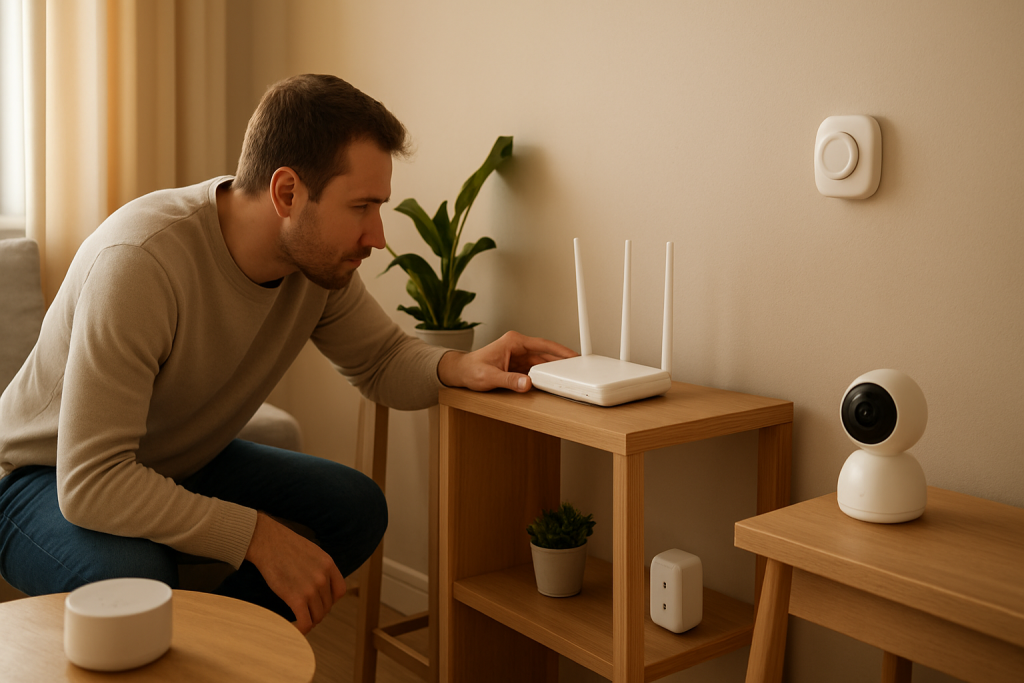
Reduce Wi‑Fi instability that can masquerade as DNS failure. Place the router away from thick walls and interference sources, and consider splitting SSIDs so smart devices that only support 2.4GHz don’t accidentally get pushed onto an unstable band. In apartments, selecting a less congested channel can improve DNS reliability because queries time out less often on a cleaner link.
Finally, keep router firmware and device software updated, but after major updates, re-check DNS-related settings such as secure DNS/DoH, parental controls, and guest network isolation. These features can change behavior without being obvious.
FAQ
Why do other devices work but this one says “No Internet” after I changed DNS?
Because that device is likely using a different DNS source than the others—manual DNS entered on the device, a VPN/security app override, or an OS-level “Private DNS” setting. One incorrect DNS assignment can break name resolution only on that device while everything else continues using the router’s DHCP DNS.
Should I set DNS on the router or on each device?
For most homes, set DNS on the router and keep devices on automatic DNS. It’s simpler, avoids typos, and prevents one smart device from keeping outdated manual DNS when you change providers or network gear.
Can weak Wi‑Fi cause DNS problems even if the device shows a strong signal?
Yes. Interference and packet loss (common on crowded 2.4GHz in apartments) can cause DNS queries to time out. The device may interpret repeated timeouts as “No Internet.” Testing closer to the router or switching to 5GHz (if supported) helps confirm whether Wi‑Fi instability is contributing.
What’s the fastest way to confirm it’s a DNS issue?
Switch the affected device’s DNS to automatic, forget and rejoin the Wi‑Fi, then test again. If that fixes it immediately, the root cause was an incorrect DNS assignment or a DNS override. If it still fails, check for VPN/Private DNS profiles and confirm the device is getting a valid IP address from DHCP.
Could an IP conflict be involved even though I only changed DNS?
Yes. If the device uses a manual IP or there’s a bad DHCP reservation, it can end up sharing an IP with another device, leading to unstable connectivity that shows up as DNS failures. Returning the device to DHCP and clearing conflicting reservations on the router is a good next step if DNS settings look correct.
There’s a strange comfort in seeing the problem finally stop taking up space in your head. The air feels a little clearer, like the noise got turned down without anyone announcing it.
Not every day will be dramatic, but that’s the point. Things land where they should, and you get to move on with less fuss and more actual living.